{getToc} $title={Table of Contents} $count={Boolean}
Designing a smart home can feel overwhelming, especially when thinking about the tech landscape in 2025. How to design a smart home in 2025 ? Let’s dive in! This guide will walk you through key considerations, future trends, and practical steps to create a connected, efficient, and future-proof living space.
Learn how to design a smart home in 2025! Explore future trends, essential tech, and practical steps to create a connected, efficient, and future-proof living space.
The Smart Home Evolution: From Gadgets to Integrated Ecosystems
Remember the days when a "smart home" meant just having a fancy remote control? It's wild how much things have changed. Back then, it was all about individual gadgets – a smart thermostat here, a connected lightbulb there. Now, it's about creating a truly integrated ecosystem where everything works together seamlessly. I remember installing my first smart thermostat years ago – felt so high-tech! But now, that's just the tip of the iceberg. We're talking about AI-powered automation, predictive maintenance, and homes that learn your habits and preferences. Seriously, the future is now !
The biggest shift I've seen is the focus on interoperability . Early smart home devices often worked only within their own brand's ecosystem. It was a nightmare trying to get different devices to talk to each other. But thankfully, industry standards like Matter are changing that, making it easier to mix and match devices from different manufacturers. This is a game-changer because it gives you, the homeowner, more freedom and flexibility.
Why Bother with a Smart Home Anyway?
Okay, so you might be thinking, "Why should I even bother with all this smart home stuff?" Fair question! For me, the main reasons are:
Convenience: Imagine your lights automatically adjusting based on the time of day, your coffee brewing as soon as you wake up, and your security system arming itself when you leave. It's all about making your life easier and more efficient. Energy Savings: Smart thermostats, smart lighting, and smart appliances can help you save a significant amount of energy, reducing your carbon footprint and your utility bills. Who doesn't want to save money, right? Enhanced Security: Smart security systems with features like remote monitoring, motion detection, and automated alerts can give you peace of mind knowing that your home is safe and secure. Increased Comfort: From automated climate control to personalized entertainment, smart home technology can create a more comfortable and enjoyable living environment.
Designing Your 2025 Smart Home: A Step-by-Step Guide
So, you're convinced that a smart home is the way to go. Awesome! But where do you even start? Don't worry, I've got you covered. Here's a step-by-step guide to designing your smart home in 2025:
Step 1: Define Your Needs and Goals
Before you start buying gadgets, take a step back and think about what you actually want to achieve with your smart home. What problems are you trying to solve? What aspects of your life do you want to improve? Do you want to focus on energy savings, security, convenience, or something else?
For example, are you constantly forgetting to turn off the lights when you leave? Then smart lighting might be a priority. Are you worried about home security? Then a smart security system with cameras and motion sensors might be a good investment.
Pro Tip: Write down your goals and prioritize them. This will help you stay focused and avoid getting overwhelmed by the sheer number of smart home products available.
Step 2: Choose Your Smart Home Ecosystem
As I mentioned earlier, interoperability is key. That's why it's important to choose a smart home ecosystem that supports the Matter standard. Some of the most popular ecosystems include:
Apple HomeKit: If you're already invested in the Apple ecosystem, HomeKit might be a good choice. It's known for its security and privacy features. Google Assistant: Google Assistant is a powerful voice assistant that can control a wide range of smart home devices. It's also tightly integrated with other Google services like Google Calendar and Google Maps. Amazon Alexa: Alexa is another popular voice assistant that supports a vast array of smart home devices. It's also known for its extensive skills and integrations.
Consideration: Research each ecosystem and see which one best aligns with your needs and preferences. Think about the devices you already own and the services you already use.
Step 3: Invest in a Robust Smart Home Hub
The smart home hub is the brains of your smart home. It connects all your devices and allows them to communicate with each other. Choose a hub that supports the Matter standard and is compatible with your chosen smart home ecosystem.
Some popular smart home hubs include:
Apple HomePod Mini: A compact and affordable hub that works seamlessly with HomeKit. Google Nest Hub Max: A smart display with built-in Google Assistant and a camera. Amazon Echo (4th Gen): An Alexa-enabled smart speaker with a built-in Zigbee hub.
Important: Make sure your hub is powerful enough to handle all the devices you plan to connect. Consider the range of the hub and whether you need to add any range extenders.
Step 4: Select Your Smart Devices
Now for the fun part: choosing your smart devices! Here are some of the most popular categories of smart home devices:
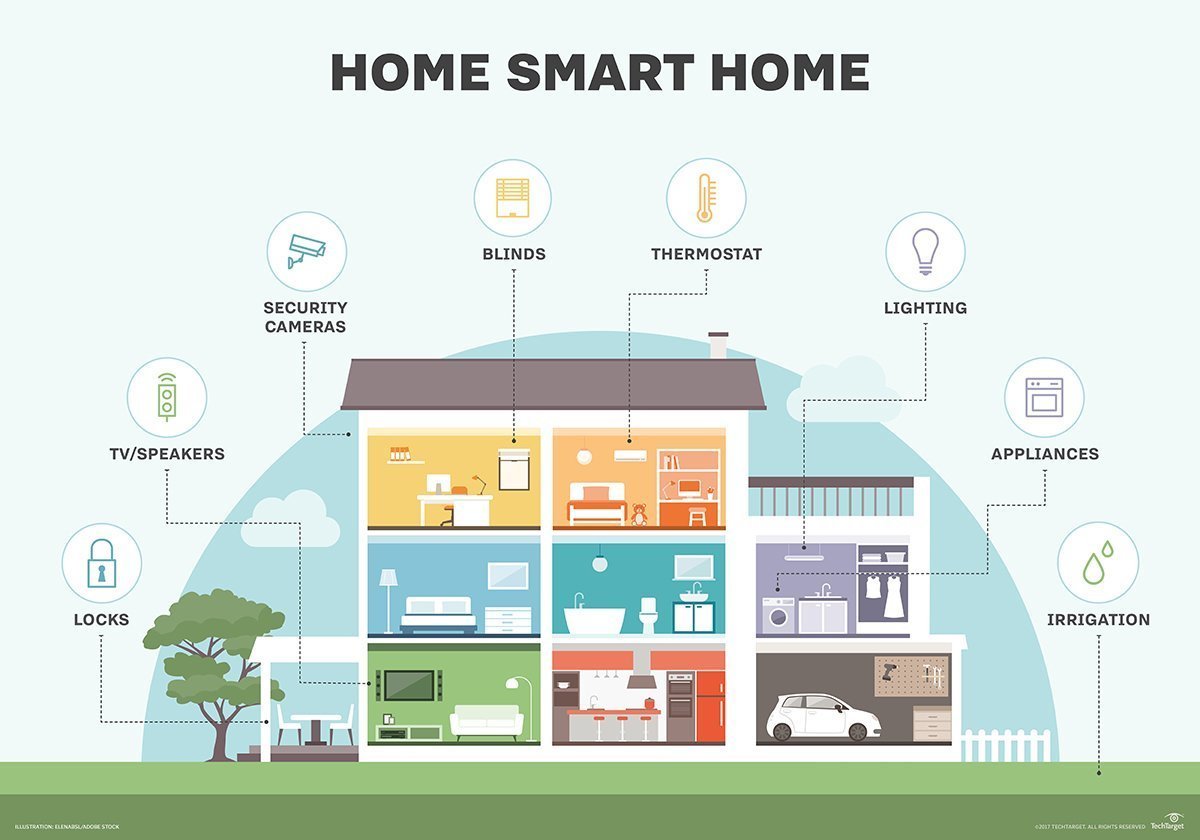
Smart Lighting: Smart bulbs, smart switches, and smart dimmers can help you control your lights remotely, automate lighting schedules, and save energy. Smart Thermostats: Smart thermostats learn your heating and cooling preferences and adjust the temperature automatically, saving you money on your energy bills. Smart Security Systems: Smart security systems typically include cameras, motion sensors, door/window sensors, and a smart lock. They can alert you to potential threats and allow you to monitor your home remotely. Smart Appliances: Smart appliances like refrigerators, ovens, and washing machines can be controlled remotely and can even diagnose their own problems. Smart Entertainment: Smart TVs, smart speakers, and smart streaming devices can provide you with a more immersive and personalized entertainment experience.
My Experience: I personally love my smart lighting. Being able to dim the lights with my voice while watching a movie is pure bliss! It's the little things, you know?
Step 5: Plan for Network Security
With all these connected devices, your smart home can be a target for hackers. That's why it's crucial to plan for network security. Here are some tips:
Use Strong Passwords: Use strong, unique passwords for all your smart home devices and your Wi-Fi network. Enable Two-Factor Authentication: Whenever possible, enable two-factor authentication for your smart home accounts. Keep Your Software Updated: Regularly update the firmware on your smart home devices and your router to patch security vulnerabilities. Segment Your Network: Consider creating a separate Wi-Fi network for your smart home devices to isolate them from your personal devices. Use a Firewall: A firewall can help protect your network from unauthorized access.
Reality Check: I know, security stuff can be boring. But trust me, it's worth the effort. You don't want your smart fridge getting hacked!
Step 6: Think About Voice Control and Automation
One of the coolest things about smart homes is the ability to control everything with your voice and automate tasks. Here are some ideas:
Voice Control: Use your voice assistant to turn on/off lights, adjust the thermostat, play music, and control other smart home devices. Automation: Create routines that automate tasks based on certain triggers. For example, you could create a routine that automatically turns on the lights when you enter a room, or one that automatically arms your security system when you leave the house.
Example: I have a routine that automatically turns on my coffee maker when my alarm goes off in the morning. It's a lifesaver !
Step 7: Future-Proof Your Smart Home
Technology is constantly evolving, so it's important to future-proof your smart home. Here are some tips:
Choose Devices That Support Over-the-Air Updates: This will allow you to update the firmware on your devices without having to physically replace them. Embrace Open Standards: Stick with devices that support open standards like Matter to ensure compatibility with future devices and technologies. Plan for Scalability: Choose a smart home hub that can handle a large number of devices so you can easily add more devices in the future. Stay Informed: Keep up with the latest smart home trends and technologies so you can make informed decisions about your smart home.
Looking Ahead: I'm excited to see what the future holds for smart home technology. I think we'll see even more integration with AI, more personalized experiences, and more focus on sustainability.
The Unexpected Challenges and Triumphs
The journey to building my smart home wasn’t always smooth sailing. There were definitely some hiccups along the way. One time, I spent an entire afternoon trying to get my smart lights to connect to my hub. Turns out, I had the wrong type of lightbulb! Facepalm . I felt so frustrated, but also kind of silly.
Then there was the time my smart thermostat went haywire and started blasting the heat in the middle of summer. That was a fun call to the HVAC company. But despite these challenges, the overall experience has been incredibly rewarding. There's something truly satisfying about creating a home that is both comfortable and efficient. The peace of mind knowing my home is secure and the convenience of being able to control everything with my voice is truly game-changing.
Smart Home in 2025: Looking Beyond the Hype
It’s easy to get caught up in the hype surrounding smart home technology. But it’s important to remember that the goal isn’t just to have the latest gadgets. It’s about creating a living space that enhances your life and meets your individual needs.
As we move towards 2025, I think we’ll see a shift towards more personalized and intuitive smart home experiences. Homes will be able to anticipate our needs and adjust automatically, creating a truly seamless and integrated living environment. This will require more sophisticated AI algorithms and more robust data privacy measures.
Personal Reflection: Looking back, I've learned that designing a smart home is an ongoing process, not a one-time event. It's about constantly experimenting, learning, and adapting to new technologies. And most importantly, it's about finding what works best for you .
FAQ: Your Smart Home Questions Answered
Alright, let's tackle some of the common questions I get about designing a smart home in 2025. I've broken these down into sections for clarity!
Cost and Budgeting
How much does it cost to design a smart home in 2025? This is the million-dollar question, isn't it? The cost can vary widely depending on the size of your home, the features you want, and the brands you choose. You could spend anywhere from a few hundred dollars to tens of thousands of dollars. If you were thinking on designing a smart home in 2025, mending to start small and gradually expand your system. Are there any government incentives or rebates for smart home devices? Yes, in many areas, there are rebates or incentives for installing energy-efficient smart home devices like smart thermostats and smart water heaters. Check with your local utility company and government agencies for more information. What are some ways to save money on smart home technology? Buy refurbished devices, look for sales and discounts, and start with the essential features and gradually add more over time. You can also DIY some of your smart home projects, like installing smart lighting or setting up a basic security system.
Compatibility and Interoperability
What is the Matter standard and why is it important? Matter is a new industry standard that aims to improve interoperability between smart home devices. It allows devices from different manufacturers to communicate with each other seamlessly, regardless of the ecosystem they belong to. This is a huge deal because it eliminates the fragmentation that has plagued the smart home industry for years. How do I ensure that my smart home devices are compatible with each other? Choose devices that support the Matter standard, or stick with devices within the same smart home ecosystem. Read reviews and check compatibility lists before you buy anything. What if I already have a bunch of smart home devices that don't support Matter? Don't worry! Many existing smart home devices can be updated to support Matter via software updates. Check with the manufacturer of your devices to see if they plan to support Matter.
Security and Privacy
Are smart homes secure from hackers? Smart homes can be vulnerable to hackers if they're not properly secured. However, there are steps you can take to protect your smart home from cyber threats. What are the biggest security risks associated with smart homes? Weak passwords, outdated software, and unencrypted data are some of the biggest security risks. How can I protect my privacy when using smart home devices? Review the privacy policies of your smart home device manufacturers. Disable features that you don't need. Use strong passwords and enable two-factor authentication. Consider using a VPN to encrypt your internet traffic.
Future Trends
What are some of the biggest trends in smart home technology for 2025? AI-powered automation, personalized experiences, energy efficiency, and home healthcare are some of the biggest trends. How will AI impact the smart home of the future? AI will play an increasingly important role in the smart home, enabling more personalized and intuitive experiences. AI algorithms will be used to analyze data from smart home devices and automate tasks based on your preferences and habits. Will smart homes become more sustainable in the future? Yes, sustainability is a growing concern, and smart home technology can play a significant role in reducing energy consumption and promoting sustainable living.
Conclusion: Embrace the Future, One Smart Device at a Time
Designing a smart home in 2025 is an exciting endeavor. It's about more than just buying the latest gadgets; it's about creating a living space that is tailored to your needs, enhances your life, and prepares you for the future. Even though the process may seem scary, it can be achieved as long as you understand how to design a smart home in 2025. I hope this guide has given you a solid foundation to get started. So, go ahead, embrace the future, one smart device at a time! Remember to start small, prioritize your needs, and always prioritize security and privacy. Good luck!